


When a trail, jobsite, or weekend project puts you close to the ground, the knees of ordinary trousers often show wear first. Repeated bending pulls at the fabric, rough surfaces create friction, and damp ground can make a long day uncomfortable. Reinforced knee pants are designed for those demands. Their value comes from more than simply adding a thicker patch: good construction balances abrasion resistance, freedom of movement, weather protection, and a fit that stays comfortable from the first step to the last.
This guide explains how to compare pants with reinforced knees for hiking, outdoor work, cold-weather travel, and everyday utility. It also shows which details matter before you buy, so you can choose protection that matches the way you actually move.
What Reinforced Knees Actually Do
The knee area flexes every time you climb, kneel, squat, or step over an obstacle. It also receives direct contact when you work on a low surface, stop to adjust equipment, or scramble over rock. Reinforcement adds another level of resistance at this high-stress zone. Depending on the design, that may come from a second fabric layer, denser material, shaped panels, stronger seams, or a combination of these features.
Reinforcement helps spread stress across a larger area and reduces direct wear on the base fabric. It does not make pants indestructible, and it is not a substitute for certified knee pads where impact protection is required. Its purpose is practical durability: helping the garment cope with repeated movement and surface contact while preserving comfort.
Who Benefits from Reinforced Knee Pants?
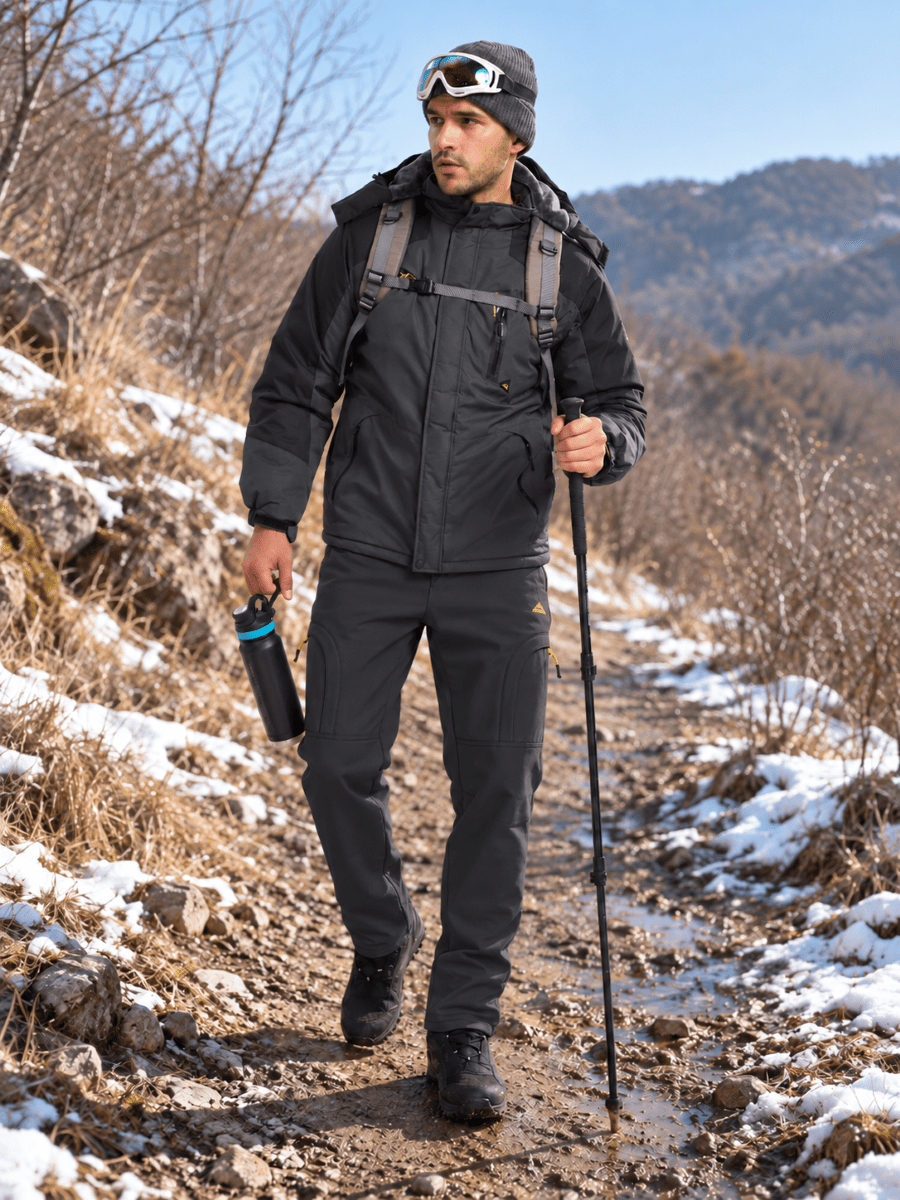
These pants are useful whenever your day combines motion with contact against rough or cold surfaces. Hikers may kneel to secure a boot, set up a stove, or organize a pack. Campers crouch beside tents and fire pits. Photographers often work from a low position. Landscapers, technicians, warehouse workers, and DIY users bend and kneel repeatedly. Even travelers can benefit when one pair must handle outdoor excursions, changing weather, and long days on foot.
The right choice depends on frequency and intensity. For occasional light use, flexible reinforcement and everyday styling may matter most. For regular trail or utility use, look more closely at panel coverage, seam construction, and abrasion resistance. If most of your activity happens in winter, warmth and wind resistance become equally important.
Check the Placement and Coverage
A reinforced panel should align with your knee when you are moving, not only when you stand still. A patch that looks correctly placed in a product photo may sit too high or too low once you bend. Taller and shorter wearers should pay particular attention to this point.
Coverage also affects protection. A narrow panel can guard against straight-on contact, while a longer panel may protect more of the thigh-to-shin transition during deep squats or climbs. Side coverage is useful when your knees rotate against a surface. Inspect the edges as well: clean, secure stitching and a smooth transition into the main fabric help reduce weak points and uncomfortable ridges.
Balance Durability with Mobility
The toughest material is not automatically the best material to wear. Very stiff fabric may resist abrasion but feel restrictive on steep terrain or during repeated crouching. For active use, look for a fabric blend or construction that allows the garment to move with you. Stretch in the main fabric can reduce pulling across the seat and knees, while shaped panels can create room without making the whole leg excessively loose.
When comparing durable knee panel pants, think about your most demanding movement. A hiker needs a comfortable high step. A worker may need to kneel, stand, and twist many times. A traveler may value easy walking and a clean silhouette. The useful design is the one that delivers enough protection without making those movements awkward.

Look for Articulated Knees and a Functional Fit
Articulated knees use curved seams, darts, or shaped sections to reflect the natural bend of the leg. This reduces the amount of fabric that must stretch when you squat. It can also help the reinforced zone stay centered over the knee instead of shifting upward.
Fit throughout the garment matters just as much. The waistband should stay secure without digging in when you sit. The seat and thighs need enough room for a deep bend, and the lower leg should work with the boots or shoes you plan to wear. A streamlined fit can reduce snagging, but it should not pull tightly across the knee panel. If you layer thermal underwear in cold weather, account for that extra bulk when choosing your size.
Match Weather Protection to the Environment
Outdoor utility pants often combine reinforced construction with water-resistant or wind-resistant fabric. These features can help during light precipitation, wet brush, or exposure to cold wind. Water resistance is useful for short contact with moisture, but it should not be confused with fully waterproof rainwear. For sustained rain, a dedicated waterproof shell is usually the more dependable choice.
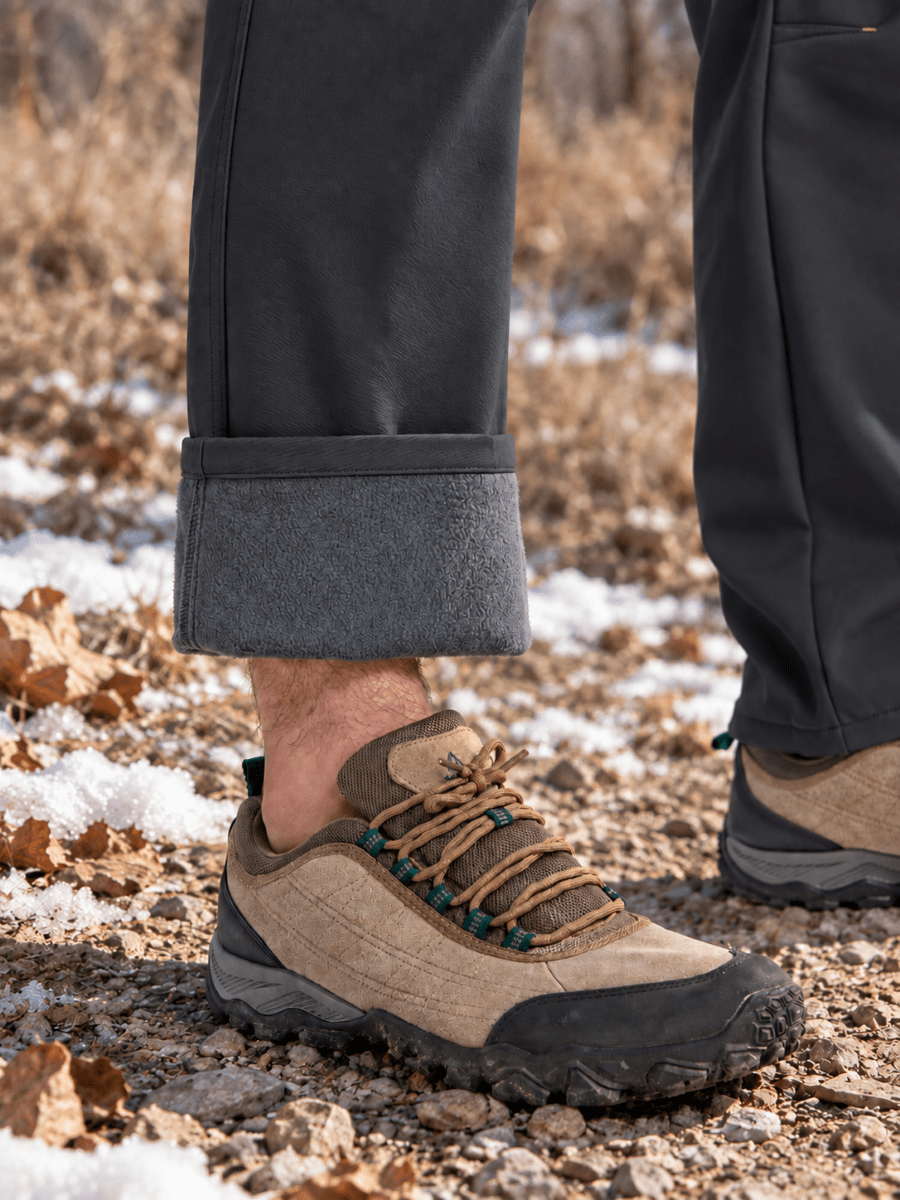
In cold conditions, a soft lining can add warmth and make the interior more comfortable against the skin. The tradeoff is reduced versatility in mild weather and during high-output activity. Choose insulated reinforced hiking pants when cold is a regular part of your use. For three-season wear, an unlined or lightly lined pair combined with separate base layers gives you more control.
Evaluate Pockets as Part of the Movement System
Pockets should carry essentials without interfering with the knee panels. Cargo pockets placed too low can swing against the knee; pockets placed directly over a high-flex area may feel bulky when full. Zippered openings help secure a phone, keys, or a small tool during active movement, while slanted hand pockets offer quick access.
Before deciding, imagine each pocket loaded. Ask whether the contents would press into your leg when you kneel or sit. A practical layout distributes small items across the hips and thighs while keeping the bending zone relatively clear. This is especially important for work, travel, and hiking, when the pants may need to carry necessities for hours.
Run a Simple Movement Test at Home
Try new pants with the footwear and layers you expect to use. Then perform a few controlled movements:
- Take a high step onto a stable stair and check for pulling at the knee or seat.
- Complete a deep squat and confirm that the waistband stays in place.
- Kneel briefly on a clean, soft surface and note whether the reinforced panel covers the contact point.
- Walk, sit, and bend to see whether pocket contents shift or press into your leg.
- Check the hem with your boots to make sure it does not ride up excessively.
This short test reveals more than standing in front of a mirror. If the panel moves away from the knee, the fabric restricts your stride, or seams rub during bending, a different size or cut will serve you better.
Care for Reinforcement and Weather Finishes
Correct care helps preserve both the fabric and the seams. Follow the garment label, close zippers before washing, and empty every pocket. Washing inside out can reduce surface abrasion. Use a mild detergent and avoid excessive heat unless the care instructions specifically allow it. High heat may affect stretch fibers, bonded details, or water-resistant finishes.
After muddy use, let dirt dry and brush off loose debris before washing. Inspect panel edges and high-stress seams periodically. Addressing a loose thread or small abrasion early is easier than repairing a larger tear. If the outer fabric originally sheds water and later begins to absorb it, use only a treatment suitable for that fabric and follow the manufacturer’s directions.
A Practical Buying Checklist
- Activity: Decide whether the pants are mainly for hiking, work, travel, winter use, or mixed duties.
- Panel position: Confirm that reinforcement stays over the knee while bent.
- Mobility: Look for stretch, articulated shaping, or enough room for a full range of motion.
- Climate: Choose the right balance of wind resistance, water resistance, warmth, and breathability.
- Storage: Select secure pockets that do not crowd the knee area.
- Fit: Test the waistband, thigh room, leg opening, and length with your usual layers and footwear.
- Care: Make sure the washing instructions suit how often and where you will use the pants.
Choose Protection That Supports the Whole Day
The best reinforced knee pants protect a vulnerable area while still feeling natural through every step, squat, and climb. Start with the surfaces and weather you face, then compare panel coverage, movement, fit, pockets, and care needs. That approach will lead to a pair that works as a complete garment instead of relying on one durability feature alone.
Explore the TACVASEN men’s long pants collection to compare outdoor utility styles, or view the men’s reinforced knee winter hiking pants featured in this guide.


