


Summer hiking is easier when your clothing matches the heat, humidity and pace of the trail. The goal is not to wear the thinnest possible outfit. It is to choose layers that release heat, dry after sweating and give you enough protection when the weather changes.
Start With the Forecast and the Trail
Check temperature, humidity, wind and the chance of rain before you choose an outfit. A short, shaded walk may call for a lightweight top and shorts. A long, exposed route requires more sun coverage, while a high-elevation trail can become cool and windy even in summer.
Trail conditions matter too. Smooth paths allow more flexible clothing choices. Brush, rough rock and frequent kneeling make durable pants or longer shorts more useful. Always leave room in your pack for one light layer, even when the forecast looks warm.
Choose a Quick-Dry Bottom Layer
Cotton can feel comfortable at the start of a hike, but it may stay damp after you sweat. Lightweight nylon or polyester blends usually dry faster and are easier to wear for travel, fishing and active outdoor work.
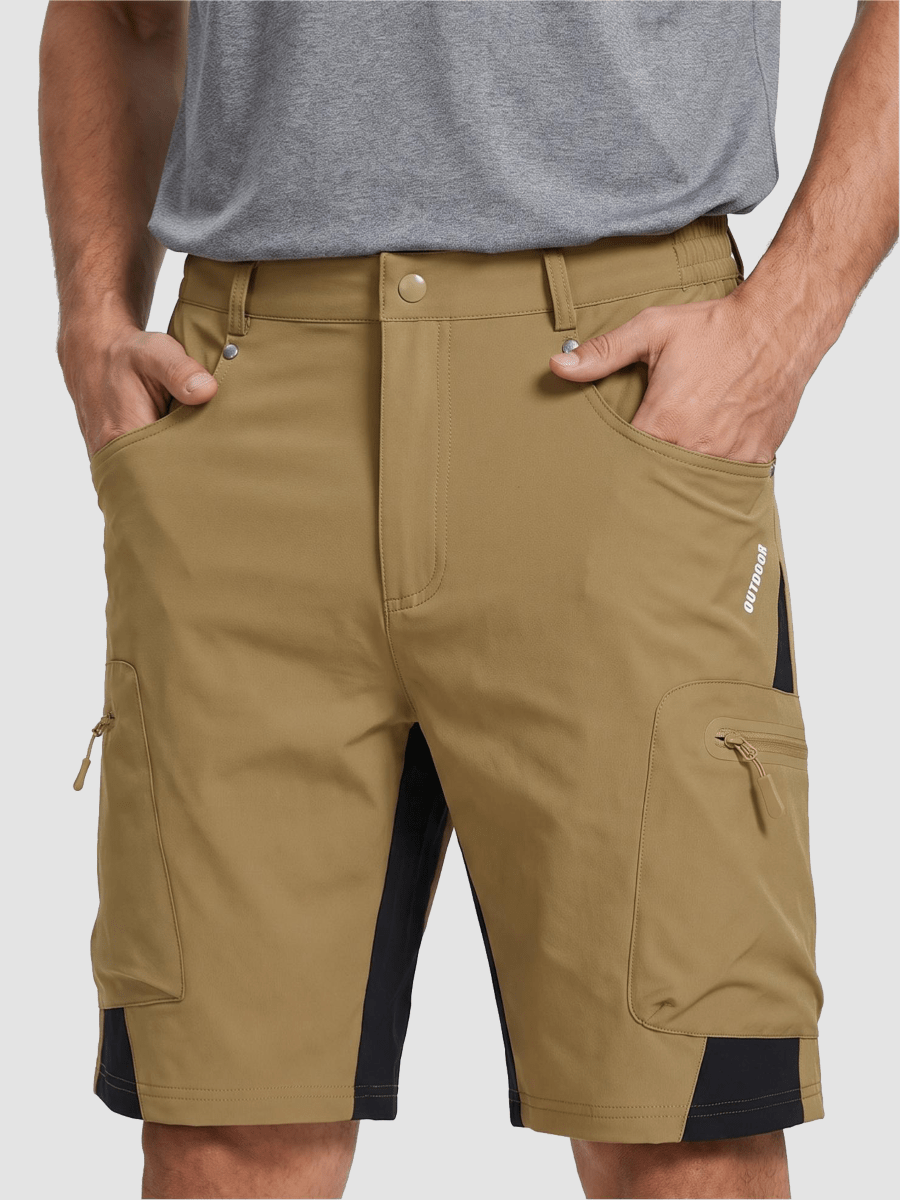
For warm-weather routes, men's quick dry cargo shorts provide airflow and practical storage. The water-resistant finish can help shed light splashes, but it should not be treated as waterproof rain protection. If the trail includes heavy brush, wet rock or colder conditions, full-length hiking pants offer more coverage.
Choose a fit that lets you step up, sit and climb without pulling at the waist or hips. A partially elastic waist can make long walks and post-hike meals more comfortable, while secure pockets help keep small essentials from falling out.
Add Sun Protection for Exposed Trails
On open trails, sun protection is part of comfort as well as safety. A long-sleeve sun shirt or hoodie can cover more skin than a short-sleeve tee without requiring a heavy outer layer. Look for quick-dry stretch fabric, a high collar or hood, and thumbholes if you like extra coverage around the hands.
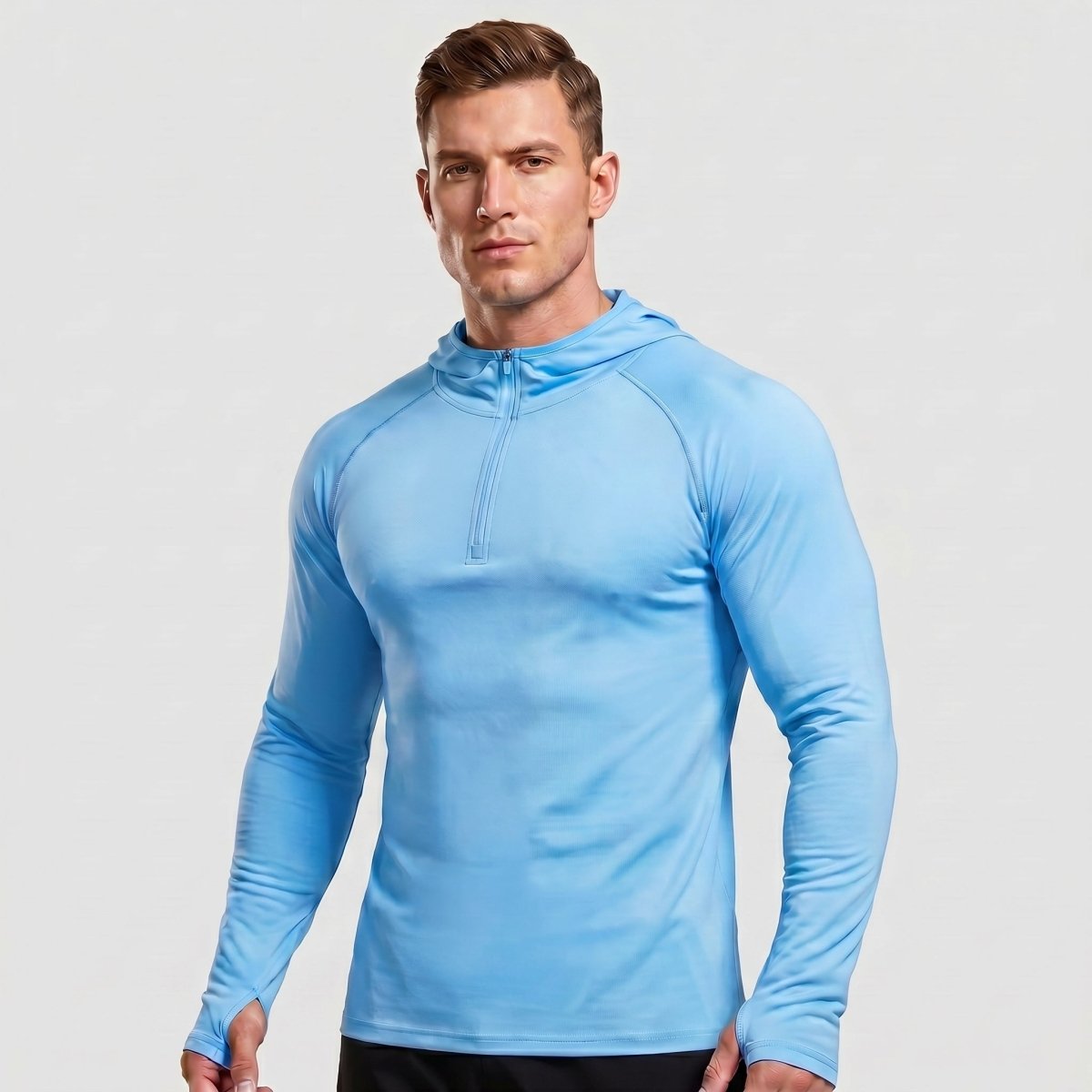
The men's UPF 50+ quarter-zip sun shirt is designed for sunny outdoor activity with a quarter zip, hood, quick-dry stretch fabric and thumbholes. Open the zip when you need more airflow, then close it when the sun or wind becomes stronger.
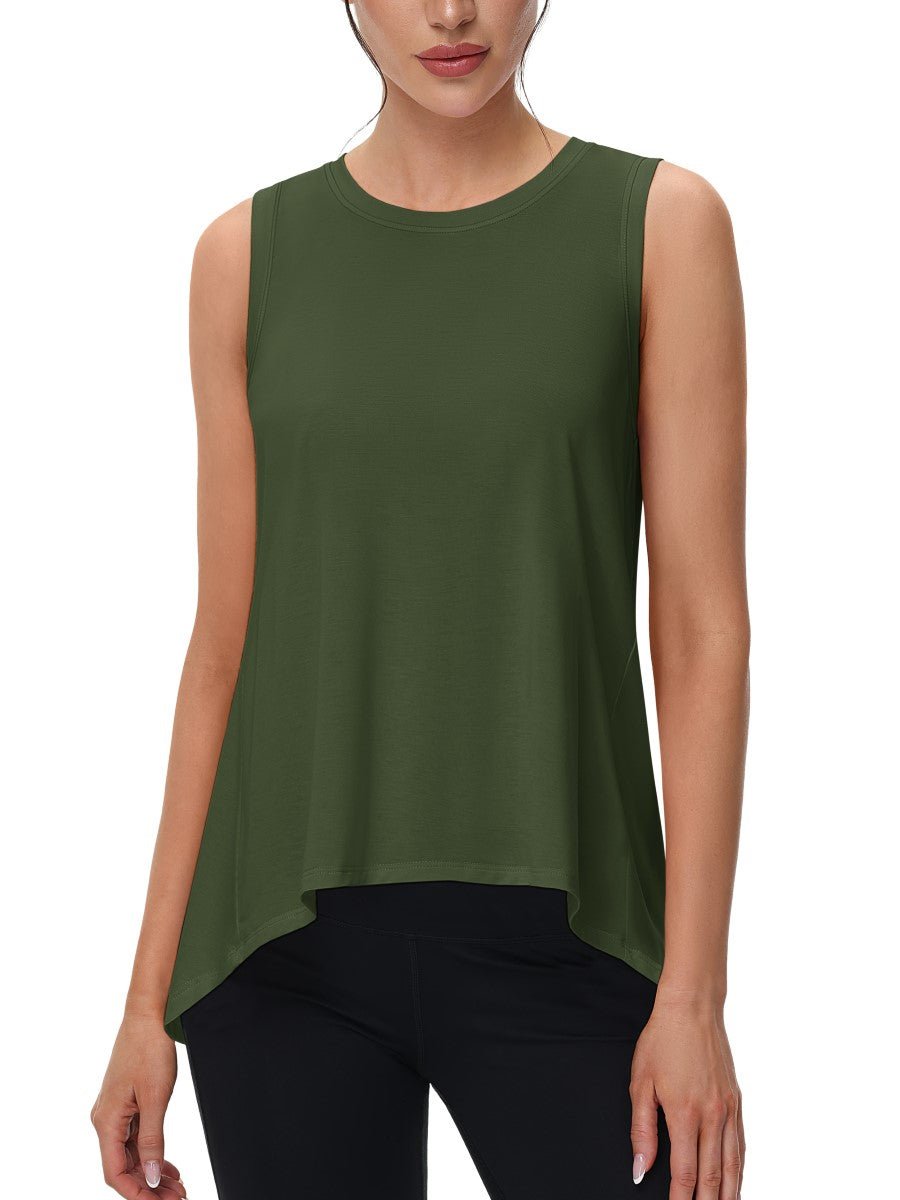
For warm casual hikes or lower-intensity activities, a women's loose-fit workout tank top can work as a breathable base layer. Bring a light overshirt or windbreaker if the route is exposed or the temperature may drop.
Pack One Lightweight Wind Layer
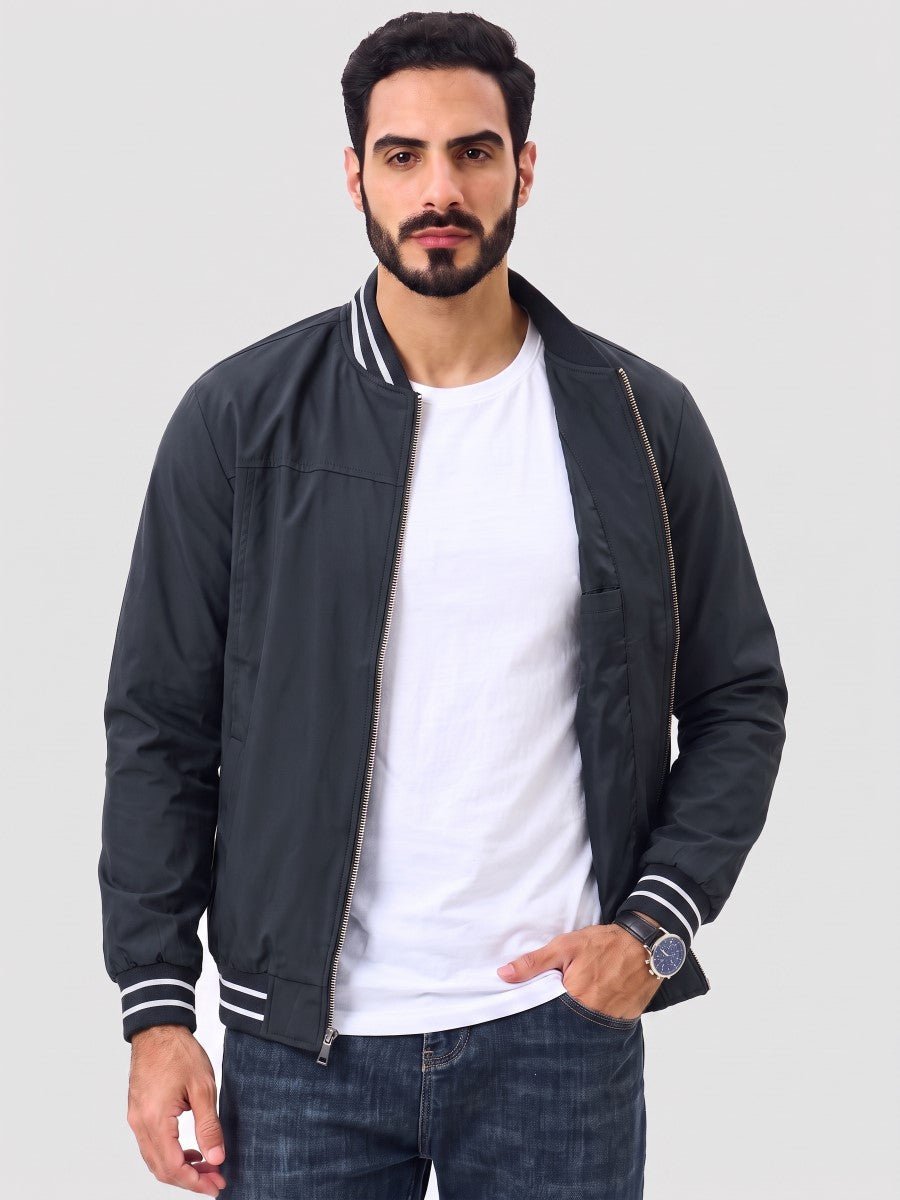
A summer layer does not need to be insulated to be useful. Wind on a ridge, an early-morning start or a sudden shower can make a warm day feel cold. A lightweight bomber or windbreaker takes up little pack space and can be worn over a T-shirt, tank or sun shirt.
The men's lightweight water-resistant bomber jacket offers a full-zip layer for travel and everyday outdoor use. Water-resistant fabric may help with brief light moisture, but prolonged rain still calls for a dedicated waterproof shell.
Match Coverage to Activity
High-output hiking usually benefits from lighter, more breathable clothing. If you are climbing steadily, choose quick-dry bottoms and avoid unnecessary insulation. For fishing, photography or rest stops, extra coverage can help with sun, insects and changing wind.
| Trail situation | Useful clothing choices |
|---|---|
| Hot, low-elevation walk | Quick-dry shorts, breathable top and sun protection |
| Exposed trail with strong sun | UPF sun shirt or hoodie, cap and sunglasses |
| Windy ridge or cool morning | Lightweight windbreaker over a quick-dry base layer |
| Brush, wet ground or rough rock | Full-length hiking pants and durable closed-toe footwear |
| Variable weather | Quick-dry base layer plus a packable outer shell |
Keep the Fit Functional
Good hiking clothes should move with you. Test the waistband while bending and stepping. Make sure pockets do not interfere with a hip belt or harness. Sleeves should allow arm movement, and a hood should turn with your head rather than blocking side vision.
Do not choose a size only from the label on another garment. Compare your measurements with the product size chart, especially when buying pants or a fitted sun shirt. Fabric stretch and garment cut can differ between styles.
Build a Small Summer Hiking Rotation
You do not need a large wardrobe for warm-weather trails. A practical rotation can include one quick-dry short, one full-length hiking pant, one breathable tank or T-shirt, one UPF sun layer and one lightweight wind layer. Wash and dry the pieces between trips, then adjust the combination to the forecast.
The best summer hiking outfit balances airflow, drying time, coverage and freedom of movement. Start with the conditions, choose the lightest useful layer, and carry one extra layer for the part of the trail you cannot predict.
Further Reading
For colder or wetter trips, see Softshell Pants vs Hiking Pants: Which Pair Fits Your Trip? for a comparison of warmth, wind protection, stretch and storage.


