


Cold-weather plans often begin before sunrise, continue through changing wind, and end after the temperature drops again. The right fleece-lined hiking pants can simplify that day by combining a weather-facing outer fabric with a soft insulating layer in one garment.
This guide focuses on a specific question: when does a built-in fleece lining make more sense than ordinary hiking pants and a separate base layer? It also explains how to compare warmth, wind protection, water resistance, mobility, pockets, fit, and care for winter hiking, snow travel, outdoor work, and everyday cold-weather use.
What Fleece-Lined Hiking Pants Actually Do
Fleece lining traps small pockets of warm air next to the body. The outer fabric then helps manage wind, abrasion, and light moisture. This two-part construction can feel warmer than an unlined pant of similar weight, while remaining less bulky than a heavily insulated snow pant.
Warmth still depends on the complete system. Activity level, wind, humidity, precipitation, fit, footwear, and the layers above and below the pants all affect comfort. Product descriptions should therefore be read as a group of features rather than as a single promise about temperature.
When Are Fleece-Lined Pants a Good Choice?
They are most useful when the weather is consistently cool or cold and you expect to spend time outdoors without removing layers. A built-in lining is convenient for steady movement, short breaks, and mixed indoor-outdoor days because there is only one waistband and one pair of pants to manage.
| Conditions or activity | Why a fleece lining helps | What else to check |
|---|---|---|
| Cold, dry hiking | Adds low-bulk warmth during steady movement | Breathability, stretch, and pocket access |
| Windy ridges or open trails | Reduces heat loss when paired with a wind-resistant face fabric | Seam design, waistband coverage, and cuffs |
| Snowshoeing or resort travel | Combines warmth with a surface that can shed light snow | Water resistance, reinforced knees, and boot compatibility |
| Outdoor work and commuting | Provides everyday warmth without a separate base layer | Durability, storage, and ease of movement |
For mild weather or high-output climbs, a lighter unlined pant may be easier to ventilate. For prolonged exposure to heavy snow, deep cold, or wet conditions, a purpose-built insulated and waterproof system may be more suitable.
Five Features to Compare
1. Lining Weight and Feel
Not every fleece lining has the same thickness. A light brushed lining adds comfort for cool mornings and active walking. A denser fleece or sherpa-style lining holds more warm air but also adds bulk and may feel too warm during sustained climbs. Check whether the lining covers the full leg and whether the fabric feels smooth enough to move over socks or a thin base layer.
2. Wind Protection
Wind can remove body heat quickly, especially on exposed terrain. Look for a tightly woven outer face or a stated wind-resistant construction. The waistband, fly, pocket openings, and ankle area also matter because gaps can let cold air enter even when the main fabric blocks wind well.
3. Water Resistance for Snow and Light Moisture
Water-resistant winter pants can help light snow, trail spray, or brief flurries bead on the surface. Water resistance is different from full waterproofing, so check the product specification and match it to the forecast. If the day includes steady rain, wet snow, or long contact with snow, bring a waterproof shell or choose pants designed for that level of exposure.
4. Stretch, Articulation, and Reinforcement
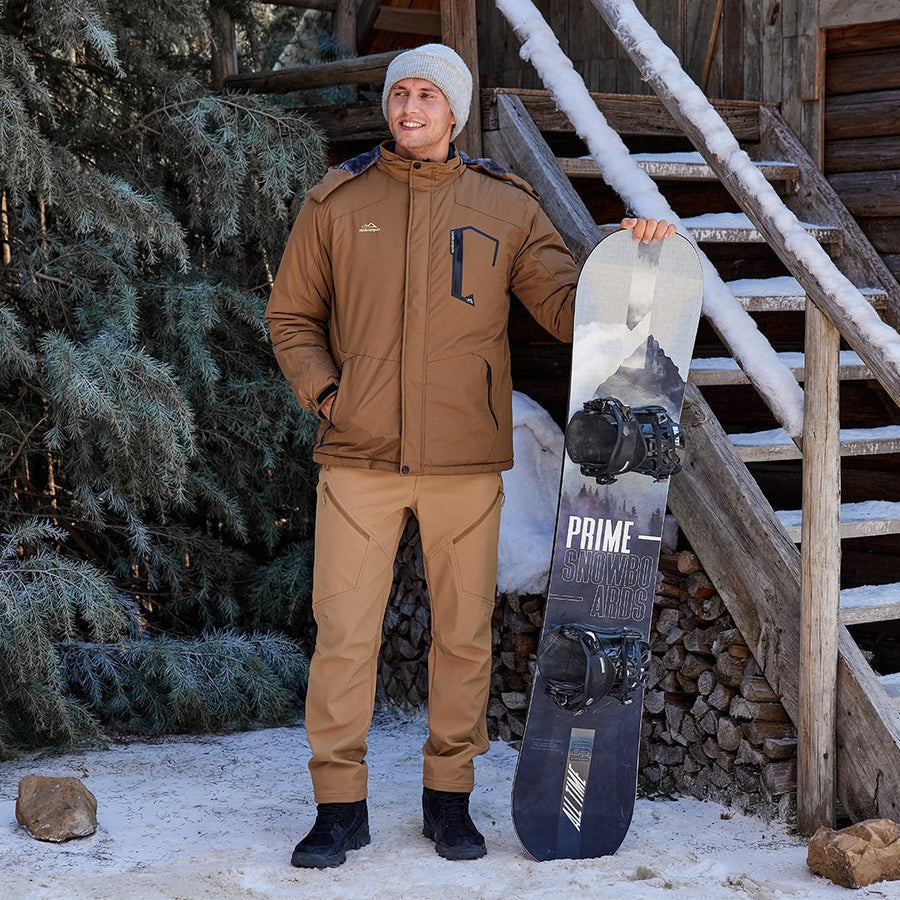
Cold-weather pants still need to move through long steps, steep climbs, kneeling, and sitting. Stretch in the fabric, articulated knees, or a gusseted crotch can reduce pulling at the seat and thighs. Reinforced knees add abrasion resistance when you brush against rock, kneel to adjust gear, or spend time around ski equipment.
5. Pockets, Waistband, and Cuffs
Zippered pockets help keep small items secure when gloves reduce dexterity. Check whether pocket openings remain accessible under a jacket hem or backpack hip belt. A stable waistband should stay in place while bending, and the cuffs should fit over or around the winter footwear you plan to wear.
Choose Fleece-Lined Pants by Activity
Winter Hiking and Snowshoeing
For steady trail use, balance warmth with freedom of movement. A wind-resistant outer fabric, stretch, reinforced high-wear areas, and secure pockets are practical priorities. The Men's Fleece Lined Windproof Water Resistant Ski Pants provide one reference point for shoppers comparing fleece lining, reinforced knees, and weather protection in the same design.
Ski Travel and Snow Activities
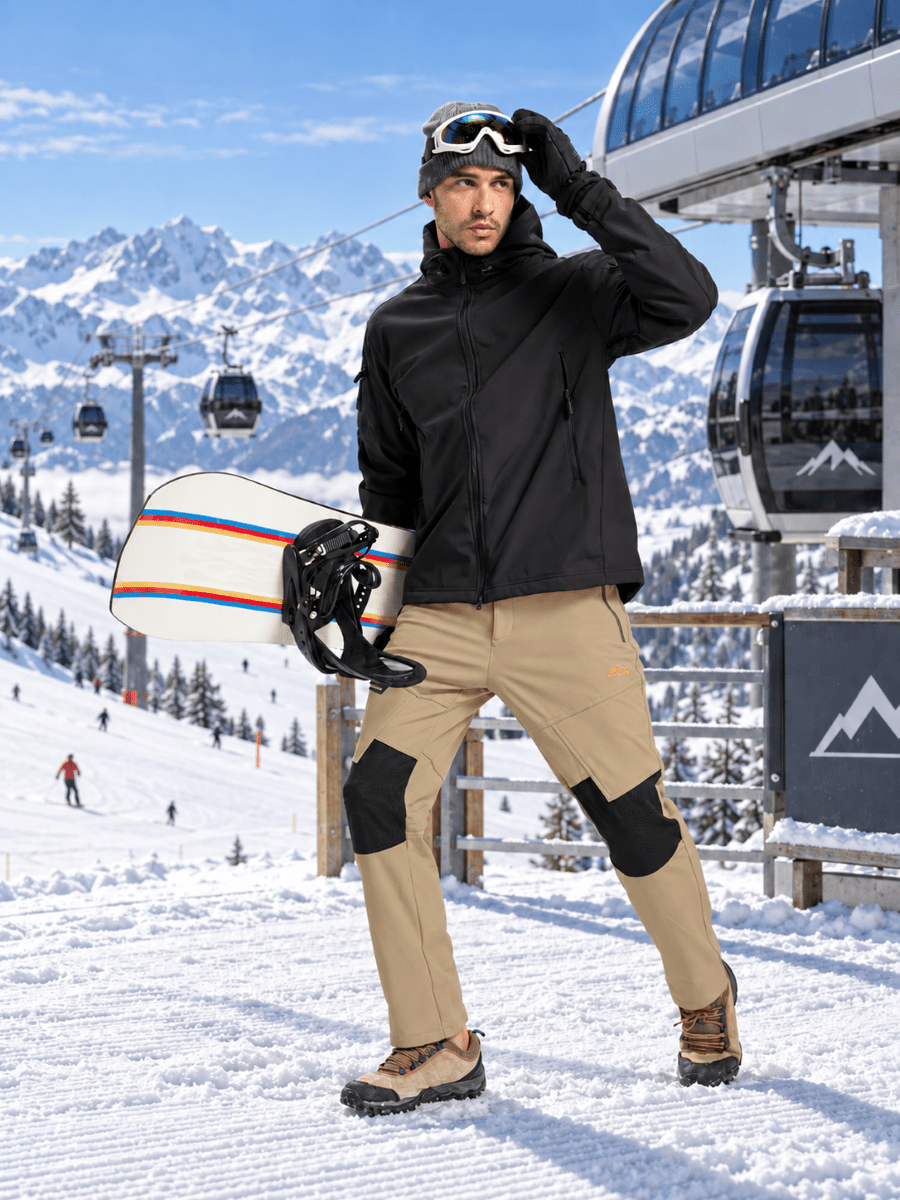
For time around lifts, cabins, or packed snow, look closely at moisture protection and boot coverage. The pants should allow a full stride and comfortable sitting without exposing the lower back. If you will be kneeling or sitting directly on snow, waterproof performance becomes more important than it is during a short walk.
Cold-Weather Travel
Travel pants need to handle long periods of sitting as well as outdoor walking. A lower-bulk fleece, a comfortable waistband, and pockets that secure a phone or wallet can work well for winter road trips and cold destinations. Consider how warm the pants will feel inside heated vehicles, airports, and restaurants.
Outdoor Work and Everyday Use
For work or daily errands, durability and practical storage may matter more than technical trail details. A straight or relaxed fit leaves room to bend and can accommodate a thin base layer. Neutral colors also make an insulated pant easier to wear beyond the trail.
Built-In Fleece or a Separate Base Layer?
| System | Main advantage | Best use |
|---|---|---|
| Fleece-lined pants | Simple, warm, and easy to put on | Consistently cold days and mixed everyday use |
| Unlined pants plus a base layer | More control over warmth and moisture | Variable temperatures and multi-day trips |
| Insulated snow pants | More warmth and weather protection | Low-output snow activities and harsher exposure |
| Waterproof shell pants | Strong rain and wet-snow protection | Layering over insulation in severe weather |
A built-in fleece lining is convenient, but a separate base layer is easier to remove or replace when conditions change. Think about the coldest and warmest parts of the day, how hard you will move, and whether you can change layers during the activity.
How Should Fleece-Lined Hiking Pants Fit?
The fit should allow a full stride without compressing the fleece. If the pants are too tight, the lining has less space to trap warm air and the knees may pull during climbing. If they are too loose, extra fabric can catch on gear and allow cold air to circulate.
- Lift one knee high enough to imitate a steep step.
- Sit, squat, and bend forward to check the waistband and seat.
- Try the pants with the socks and boots you expect to wear.
- Add a thin base layer only if you plan to use one regularly.
- Check that pocket contents do not restrict movement.
The Men's Winter Fleece Lined Waterproof Hiking Pants are another example to compare when warmth, snow-oriented protection, and an outdoor fit are priorities.
Care Tips for Fleece-Lined Winter Pants
Follow the sewn-in care label because outer finishes and lining materials can require different treatment. Empty pockets, close zippers, and fasten hook-and-loop tabs before washing. Use a mild detergent, avoid fabric softener unless the manufacturer permits it, and allow enough airflow for both the shell and lining to dry completely.
Brush away dried dirt before washing and spot-clean small marks when practical. If a water-resistant finish loses performance over time, use only a compatible treatment recommended for that garment. Store the pants fully dry and avoid compressing them for long periods.
Fleece-Lined Hiking Pants FAQ
Are fleece-lined hiking pants too warm for walking?
They can be comfortable for cold, low-to-moderate output walking. On mild days or steep climbs, a heavy lining may trap more heat than you want. Choose the lining weight for the activity and use jacket ventilation to manage the full clothing system.
Do you wear a base layer under fleece-lined pants?
Often, no base layer is needed for ordinary cold-weather use. A thin moisture-managing layer can add warmth in lower temperatures, but the pants must have enough room to move without compressing the lining.
Are fleece-lined pants waterproof?
Fleece lining describes insulation, not waterproofing. Some designs add a water-resistant or waterproof outer construction, but the product specification should state the level of protection.
Can fleece-lined pants be used for skiing?
They may work for certain resort, travel, or light snow activities when the outer fabric, mobility, and moisture protection match the conditions. For sustained snow contact or severe weather, choose equipment designed for that exposure.
Build a Cold-Weather System That Matches the Day
The best fleece-lined hiking pants balance warmth, wind protection, light-moisture resistance, mobility, storage, and fit. Start with the activity and forecast, then decide whether a built-in lining or an adjustable layering system gives you the right range. Explore the TACVASEN long pants collection to compare fleece-lined hiking pants, winter pants, tactical styles, and other options for cold-weather use.


